 Egypt
EgyptEgypt is a destination unlike anywhere else in the world, a place where thousands of years of history unfold beside the timeless waters of the Nile. Magnificent pyramids rise from the desert, monumental temples reveal the achievements of ancient civilizations, colorful markets fill historic neighborhoods with energy, and traditional boats glide peacefully along a river that has sustained life for millennia. From Cairo and Giza to Luxor, Aswan, Edfu, and Kom Ombo, Egypt offers an extraordinary journey through archaeology, culture, cuisine, and living traditions.
Central Holidays' Egypt Guaranteed Departures make discovering these legendary places comfortable and convenient. Carefully planned itineraries bring together iconic sightseeing, knowledgeable Egyptologists, quality accommodations, Nile cruising, transportation, and local support, allowing travelers to concentrate on the remarkable experiences around them. With scheduled departures available, travelers and travel advisors can plan with greater confidence while choosing an itinerary that showcases the best of Egypt.
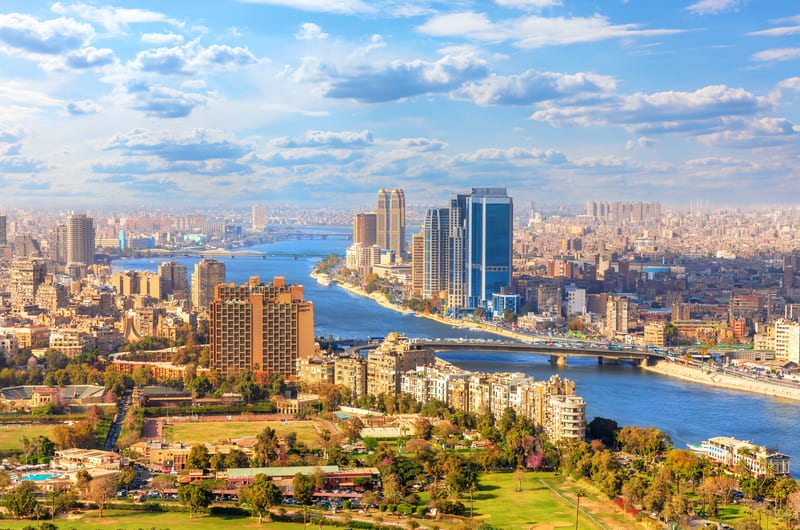
For many visitors, the adventure begins in Cairo, a fascinating metropolis where ancient history and contemporary Egyptian life exist side by side. The city is energetic, colorful, and endlessly intriguing, with historic mosques, traditional neighborhoods, museums, markets, restaurants, and views of the Nile all contributing to its unmistakable character.
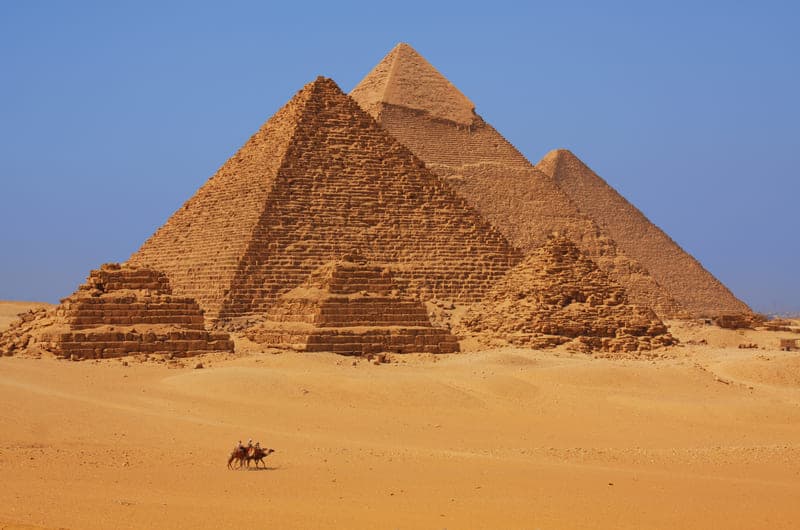
Nearby Giza provides the moment many travelers have dreamed about for years. The Great Pyramids of Giza have stood for thousands of years and remain among humanity's most extraordinary architectural achievements. Standing before the Great Pyramid of Khufu reveals a sense of scale that photographs can rarely capture. Nearby, the Great Sphinx continues to watch over the plateau, its monumental form combining the body of a lion with a human head.
Guided sightseeing adds important context to these celebrated landmarks. An experienced Egyptologist can explain how the pyramids were constructed, why they were created, and what they reveal about ancient Egyptian beliefs surrounding royalty and the afterlife. The stories behind the monuments transform a visit from sightseeing into a deeper exploration of one of history's most fascinating civilizations.
The Grand Egyptian Museum adds another extraordinary dimension to time spent in Cairo and Giza. Designed to showcase the remarkable legacy of ancient Egypt, the museum brings visitors face to face with monumental statues, royal objects, archaeological discoveries, and treasures connected to some of Egypt's most famous pharaohs. Together with the nearby pyramids, it creates an unparalleled introduction to the scale and sophistication of ancient Egyptian civilization.
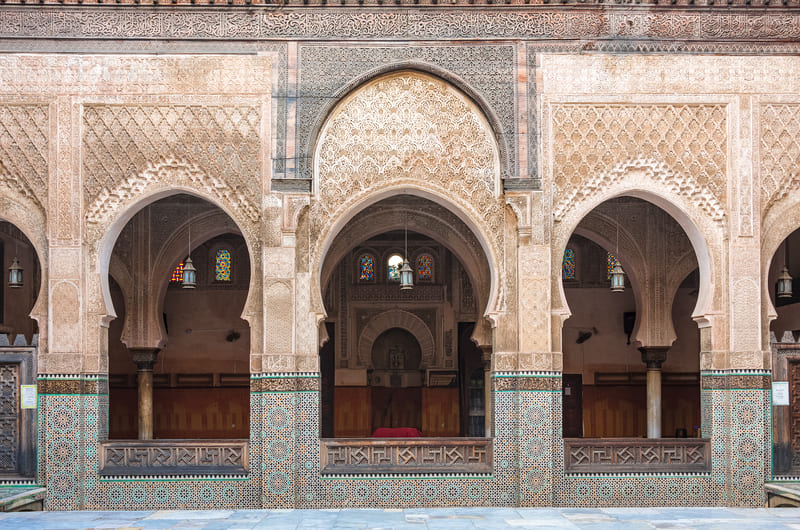
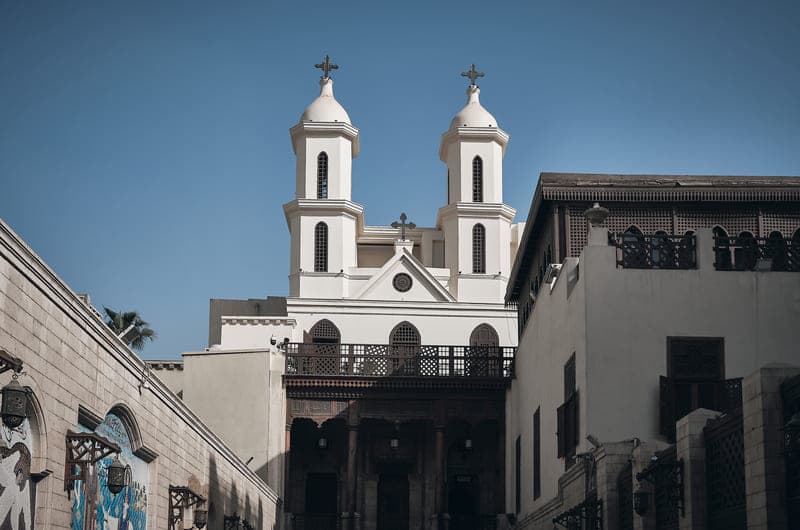
Yet Cairo's story extends far beyond the age of the pharaohs. Islamic Cairo reveals centuries of architecture through historic mosques, monuments, and winding streets. The Citadel of Saladin and the Mosque of Muhammad Ali offer impressive architecture along with sweeping views across the city. In Old Cairo, historic churches and religious sites introduce travelers to Egypt's important Coptic Christian heritage.
Khan El Khalili offers another side of the capital. This famous bazaar is filled with narrow lanes, shops, cafés, artisans, spices, perfumes, textiles, jewelry, lanterns, and traditional crafts. Exploring the market provides an opportunity to experience the rhythm of Cairo beyond its monuments. Travelers can browse for souvenirs, stop for Egyptian tea or coffee, and watch daily life unfold around them.
For many travelers, a Nile cruise becomes the centerpiece of an Egypt vacation. The Nile is much more than a scenic waterway. It shaped the development of ancient Egyptian civilization and continues to play an essential role in the country's identity. Cruising between Luxor and Aswan combines comfortable travel with access to some of Egypt's greatest archaeological treasures.
Days aboard the Nile offer a relaxing contrast to active sightseeing. From the deck, travelers can watch palm trees, agricultural fields, villages, fishing boats, and desert landscapes pass slowly by. Farmers work along the riverbanks much as generations have done before them, while the brilliant colors of sunset transform the Nile into one of the most beautiful scenes in Egypt.
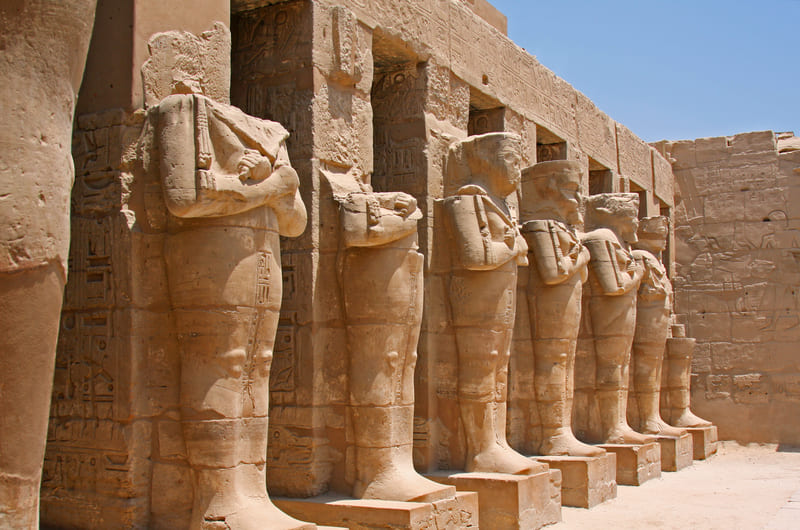
Luxor is often described as one of the world's greatest open-air museums, and it is easy to understand why. On the East Bank, the enormous Karnak Temple complex reveals centuries of construction by successive pharaohs. Massive columns rise through the Great Hypostyle Hall, while obelisks, courtyards, statues, and sacred spaces demonstrate the scale and ambition of ancient Egyptian architecture.
Luxor Temple is equally captivating, particularly as evening approaches and illuminated columns create a dramatic atmosphere. The temple's long history reflects different eras of Egyptian civilization, and its location within modern Luxor creates a fascinating connection between the ancient city and life today.
Across the Nile, the West Bank introduces travelers to ancient Egypt's extraordinary beliefs about death and the afterlife. The Valley of the Kings contains royal tombs carved deep into the surrounding hills. Descending into these chambers reveals walls decorated with colorful scenes, hieroglyphics, religious texts, and images created thousands of years ago.
Nearby, the Temple of Queen Hatshepsut rises dramatically against towering limestone cliffs. Its terraces and colonnades celebrate one of ancient Egypt's most fascinating rulers. The Colossi of Memnon, two enormous seated statues, provide another impressive reminder of the monumental building projects that once filled the Theban landscape. Depending on the itinerary, travelers may also discover the Valley of the Queens and other important temples and archaeological sites.
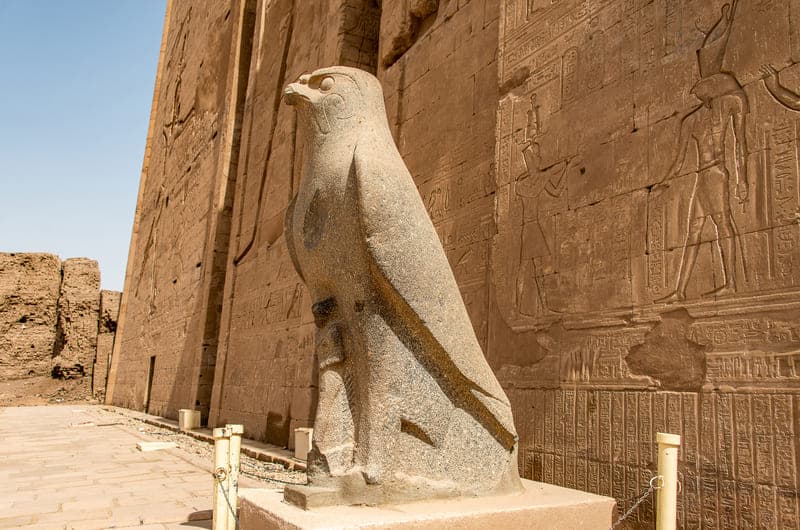
Continuing along the Nile leads to Edfu, home to the magnificent Temple of Horus. One of Egypt's best-preserved ancient temples, Edfu provides an exceptional opportunity to understand the layout and symbolism of an Egyptian temple complex. Towering entrance pylons, courtyards, reliefs, columns, and sacred chambers reveal stories connected to Horus and the religious traditions of the Ptolemaic period.
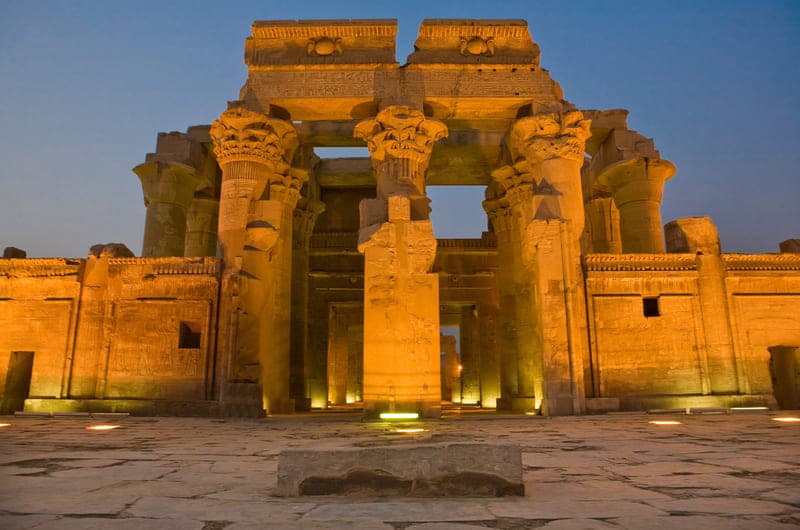
Kom Ombo presents something entirely different. Overlooking the Nile, this unusual temple was designed with a distinctive dual arrangement honoring Sobek, the crocodile god, and Haroeris, a form of Horus. Its reliefs, columns, and riverside location make it one of the most interesting stops along a Nile cruise. Ancient depictions associated with medicine add another fascinating element to the visit.
Aswan offers a more relaxed atmosphere, characterized by beautiful river scenery, islands, granite formations, and Nubian heritage. The Temple of Philae is one of the city's great highlights. Dedicated primarily to the goddess Isis, the temple complex occupies an island setting that adds to its beauty and sense of mystery.
The Unfinished Obelisk provides insight into the extraordinary engineering skills of ancient Egyptian stoneworkers. Still lying within its ancient quarry, it helps visitors understand how enormous monuments were carved from solid granite. The Aswan High Dam tells a much more modern story, demonstrating the continuing importance of the Nile to Egypt's development.
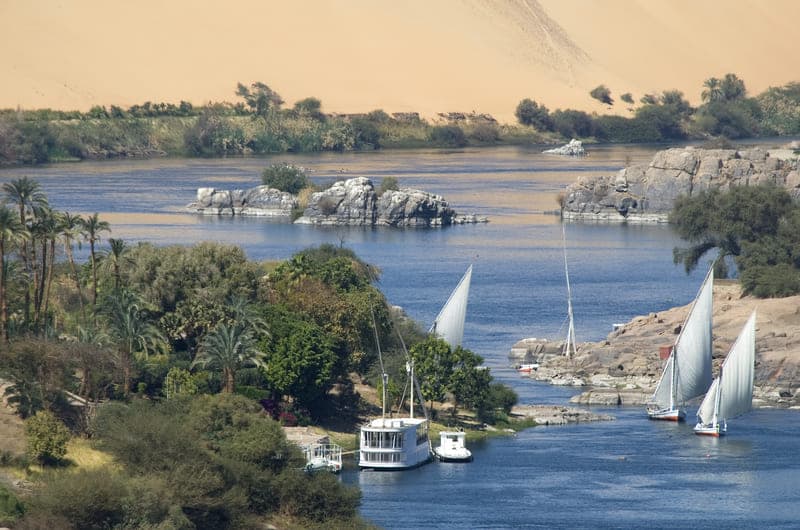
One of the most enjoyable ways to appreciate Aswan is from the river itself. A traditional felucca ride introduces travelers to the Nile at a slower pace, with the sail catching the breeze as the boat moves between islands and along the riverbanks. The peaceful experience creates a memorable contrast to Egypt's monumental temples and busy cities.
Nubian culture adds another important dimension to Aswan. Visits connected with Nubian communities can introduce travelers to colorful architecture, traditional crafts, local food, music, and customs. These experiences are an important reminder that Egypt is not simply a collection of archaeological sites. It is a living country with diverse communities and traditions.
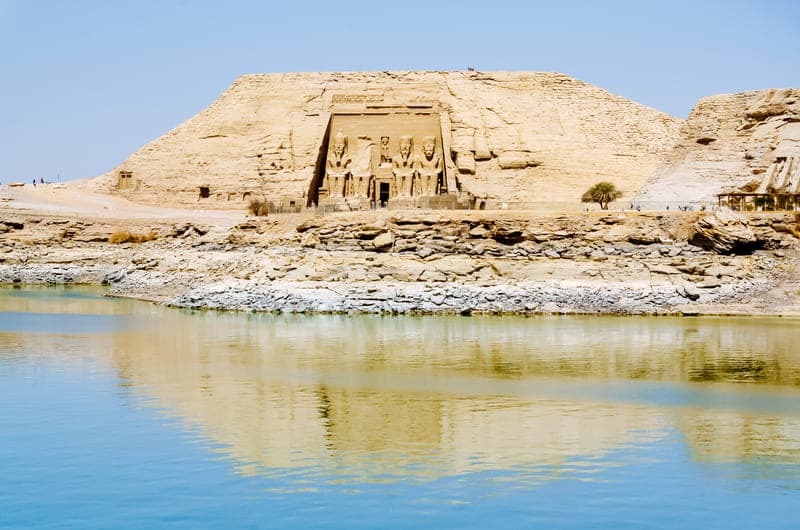
Travelers seeking to explore even deeper may add Abu Simbel to their journey. The monumental temples built by Ramses II near Egypt's southern frontier rank among the country's most impressive ancient sites. The colossal statues dominating the façade create an unforgettable first impression, while the story of the temples' relocation to protect them from rising waters is itself an extraordinary achievement.
Egyptian culture is also discovered around the table. Traditional cuisine reflects influences developed over centuries, with dishes centered around grains, vegetables, legumes, herbs, and richly seasoned meats. Koshari combines rice, lentils, pasta, chickpeas, tomato sauce, and crispy onions into one of the country's most beloved comfort foods. Ful medames, prepared from fava beans, is a traditional staple, while ta'ameya, Egypt's version of falafel, is commonly made with fava beans and fresh herbs.
Freshly baked bread accompanies countless meals, while grilled meats, stuffed vegetables, mezze, and sweet desserts add variety to the Egyptian table. Sharing a traditional meal provides an opportunity to experience another side of the country's hospitality and culture.
Beyond the major monuments, Egypt offers memorable activities that allow travelers to experience the destination differently. A hot air balloon ride over Luxor can reveal the Nile, temples, farmland, and desert from above as the morning light spreads across the landscape. Evening experiences in Cairo showcase the city after dark, when illuminated mosques, lively neighborhoods, and restaurants create a completely different atmosphere.
Those with additional time can explore Alexandria and its Mediterranean character, relax beside the Red Sea, or venture into Egypt's desert landscapes. These extensions demonstrate the country's remarkable diversity, from archaeological wonders and river valleys to beaches, oases, and modern cities.
The value of a guaranteed departure becomes especially clear in a destination as rich and complex as Egypt. Transportation between cities, domestic travel arrangements, accommodations, sightseeing, Nile cruising, entrance arrangements, and professional guiding all require careful coordination. Having these elements organized allows travelers to enjoy the destination without being overwhelmed by logistics.
Expert Egyptologists are particularly important. Ancient Egypt spans thousands of years, multiple dynasties, countless rulers, complex religious traditions, and extraordinary architectural achievements. A knowledgeable guide connects these pieces into a compelling story, helping travelers understand not only what they are seeing but why it matters.
Central Holidays' local support provides another layer of reassurance. From arrival through departure, travelers benefit from professionals who understand the destination and its logistics. Combined with carefully selected hotels, Nile cruise accommodations, comprehensive sightseeing, transfers, and guided experiences, this support helps create a smooth and rewarding journey.
Egypt Guaranteed Departures can appeal equally to first-time visitors and returning travelers. Those visiting for the first time can experience the country's essential highlights in a carefully organized way, while repeat visitors can discover additional temples, museums, neighborhoods, cultural experiences, and regional destinations.
Most importantly, Egypt rewards travelers with moments that cannot be duplicated anywhere else. It is standing beneath the Great Pyramid and trying to comprehend its age. It is entering a brilliantly decorated tomb in the Valley of the Kings, sailing quietly along the Nile at sunset, walking between the immense columns of Karnak, hearing the sounds of Cairo's streets, or watching the desert turn golden in the late afternoon light.
With Egypt Guaranteed Departures, these extraordinary experiences come together in a journey through one of the world's most fascinating destinations. From Cairo and the Pyramids of Giza to Luxor, Edfu, Kom Ombo, and Aswan, every stop reveals another chapter of an extraordinary story. Ancient monuments provide the backdrop, but it is the combination of history, culture, cuisine, landscapes, local traditions, and life along the Nile that makes Egypt truly unforgettable.