 Spain
SpainSpain and Portugal share the Iberian Peninsula, yet each offers travelers a distinctive world of traditions, landscapes, cuisine, architecture, and culture. Together, they create an extraordinary collection of travel experiences, from the grand boulevards and celebrated museums of Madrid to the colorful architecture of Barcelona, the passionate spirit of Seville, and the magnificent Alhambra of Granada. Across the border, Portugal captivates with Lisbon's historic neighborhoods, Porto's riverside beauty, the vineyards of the Douro Valley, and the golden beaches and dramatic cliffs of the Algarve. Whether travelers choose to explore one country in depth or combine destinations from both, Spain and Portugal offer countless possibilities for an unforgettable European vacation.
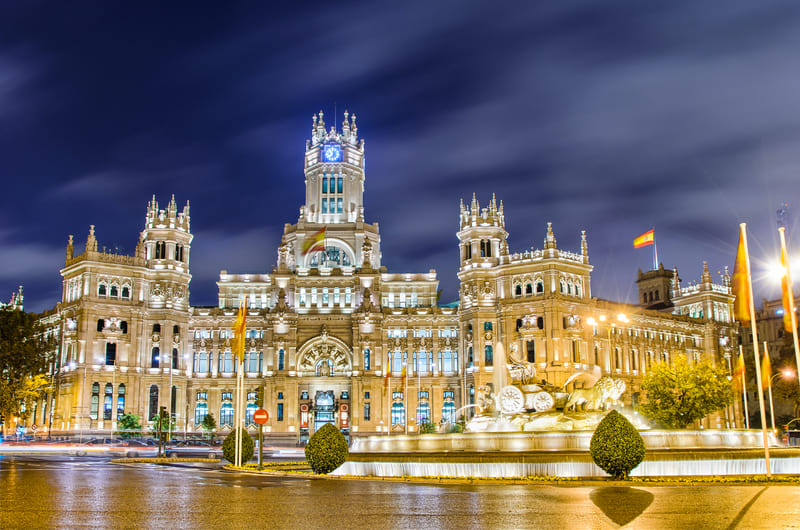
Madrid sits at the heart of Spain, combining royal history and artistic treasures with an energetic contemporary lifestyle. The elegant Spanish capital invites travelers to explore broad avenues, magnificent plazas, historic neighborhoods, traditional markets, and some of Europe's most celebrated museums. The Royal Palace reflects centuries of Spanish monarchy through lavish interiors, artwork, and architectural details, while nearby Plaza Mayor remains one of Madrid's most recognizable gathering places. The city's famous Golden Triangle of Art includes the Prado Museum, where masterpieces by Velázquez, Goya, El Greco, and other renowned artists reveal the extraordinary depth of Spain's artistic heritage. Yet Madrid is equally enjoyable beyond its major landmarks. Travelers can stroll through Retiro Park, browse the stalls of local markets, discover neighborhood tapas bars, or join residents in the plazas as the city comes alive in the evening. Madrid's culinary scene ranges from traditional taverns to contemporary restaurants, offering everything from jamón ibérico and tortilla española to churros served with rich hot chocolate.
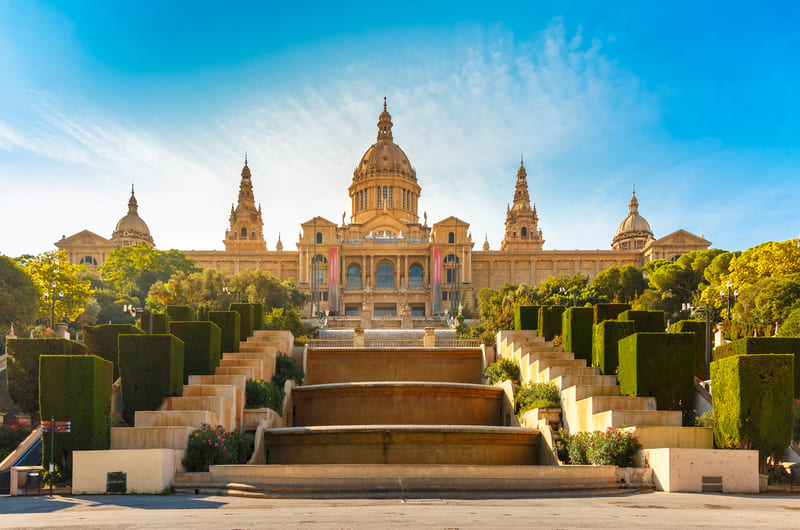
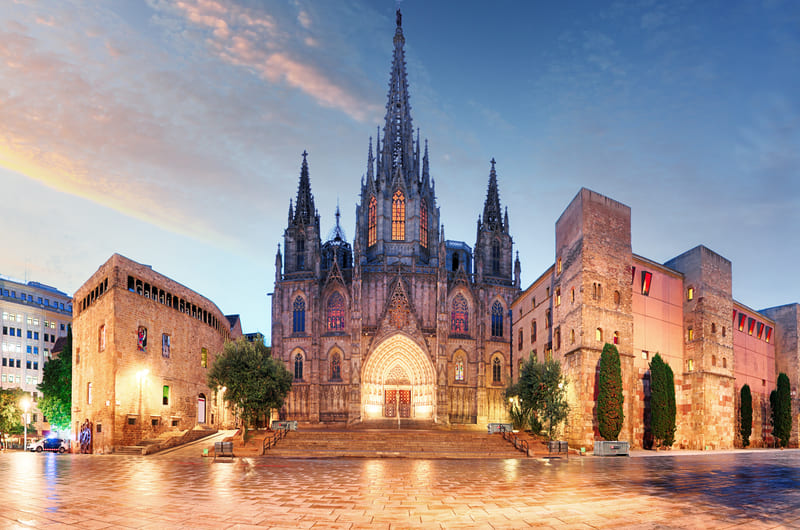
Barcelona offers a completely different Spanish experience. Set beside the Mediterranean, the city combines distinctive architecture, Catalan identity, historic neighborhoods, beaches, cuisine, and creative energy. Antoni Gaudí's extraordinary works are among its greatest attractions, with the magnificent Sagrada Família providing an unforgettable introduction to his imaginative architectural style. Park Güell adds another dimension, blending colorful mosaics, organic forms, gardens, and panoramic city views. Along Passeig de Gràcia, Casa Batlló and La Pedrera demonstrate how Gaudí transformed residential architecture into remarkable works of art. Barcelona's Gothic Quarter invites travelers into a maze of narrow streets, hidden squares, historic buildings, shops, and cafés. La Rambla leads toward the waterfront, while local markets offer an abundance of produce, seafood, cheeses, cured meats, sweets, and other specialties. Travelers can also explore the city's beaches, enjoy a sailing excursion, or relax over tapas while experiencing Barcelona's lively atmosphere.
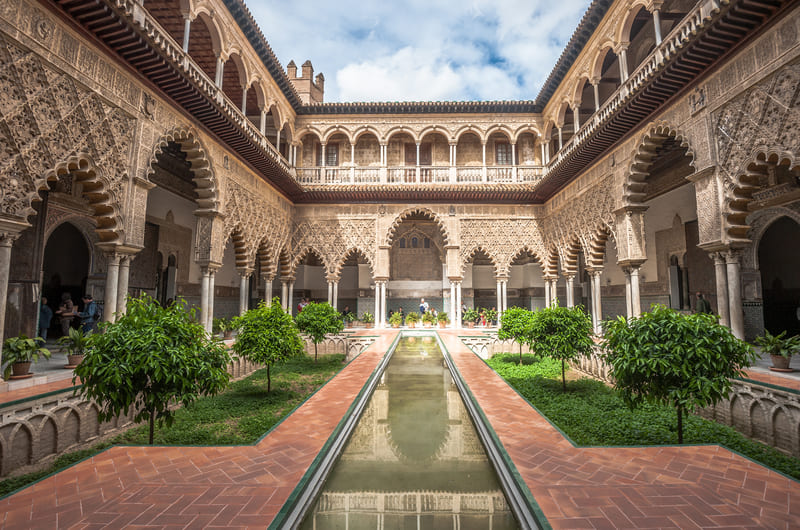
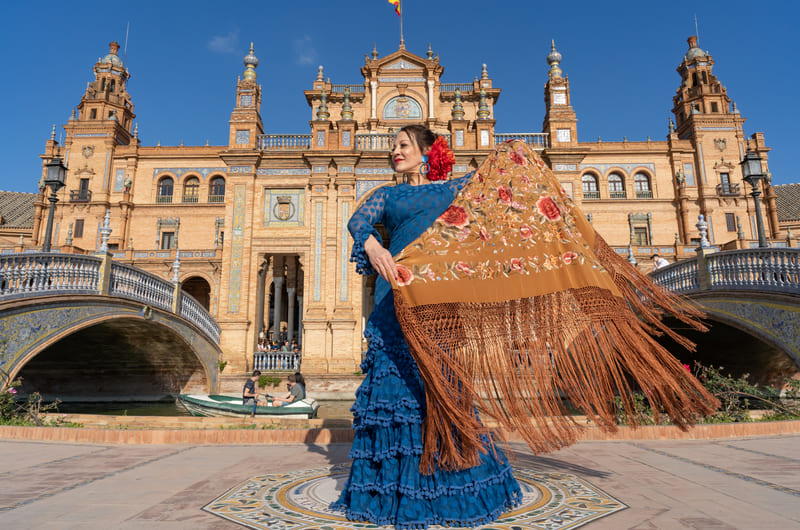
Farther south, Andalusia reveals yet another side of Spain. Seville is a city of ornate architecture, orange trees, hidden courtyards, lively plazas, and traditions deeply connected to music and dance. The magnificent Seville Cathedral and its Giralda tower dominate the historic center, while the Royal Alcázar enchants visitors with intricate architecture, peaceful courtyards, and beautiful gardens. Flamenco is an essential part of Seville's cultural identity. Experiencing a live performance can be one of the most memorable evenings of a Spanish vacation as guitar, singing, rhythmic handclaps, and expressive dance come together in a powerful display of Andalusian tradition.
Granada offers another unforgettable encounter with Spain's layered history. Rising above the city, the Alhambra is one of Europe's most remarkable architectural treasures. Palaces, courtyards, fountains, gardens, and intricate decorative details reflect centuries of Islamic art and architecture. The views across Granada and toward the Sierra Nevada add to the beauty of the setting. Below the Alhambra, the historic Albaicín neighborhood preserves narrow lanes, whitewashed houses, intimate plazas, and viewpoints overlooking the palace complex. Granada's tapas culture adds another reason to explore, inviting travelers to move from one welcoming establishment to another while sampling local flavors.
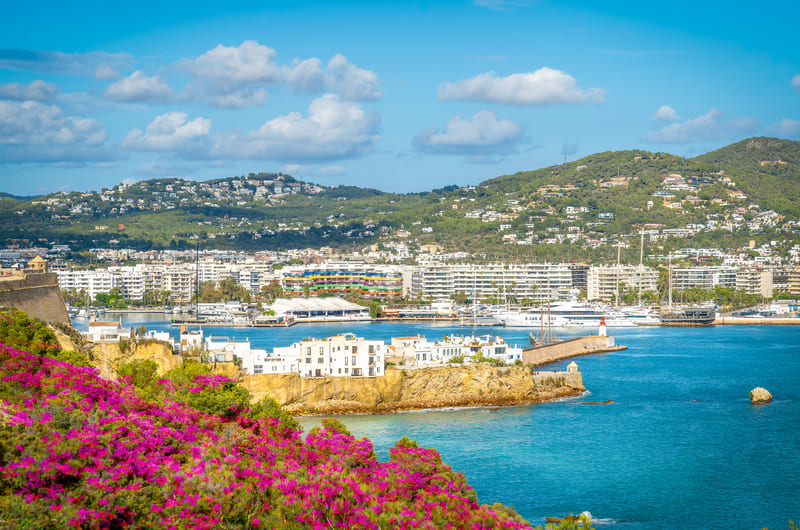
Spain's southern coast provides opportunities to combine sightseeing with relaxation. The Costa del Sol is known for sunshine, Mediterranean beaches, resort communities, and easy access to some of Andalusia's most fascinating destinations. Marbella combines an elegant seaside atmosphere with a charming historic center, while Torremolinos offers beaches, restaurants, and a relaxed coastal lifestyle.
Beyond the major cities, Spain is filled with historic towns and fascinating day-trip possibilities. Toledo, once home to Christian, Jewish, and Muslim communities, offers a remarkable concentration of religious and architectural heritage within its medieval center. Córdoba is famous for its magnificent Mosque-Cathedral, while San Sebastián in northern Spain is celebrated for its beautiful bay and exceptional culinary scene.
Across the Iberian Peninsula, Portugal welcomes travelers with a character all its own. Lisbon spreads across a series of hills overlooking the Tagus River, creating a city of panoramic viewpoints, tiled façades, historic trams, atmospheric neighborhoods, and beautiful waterfront scenery.
Belém introduces visitors to Portugal's great Age of Discovery through landmarks such as the Belém Tower and Jerónimos Monastery. Nearby, travelers can sample the city's famous pastéis de nata, the delicious custard pastries that have become one of Portugal's most recognizable culinary traditions. In the historic neighborhoods of Alfama and Mouraria, narrow streets climb between traditional homes, churches, cafés, and small squares. The sound of Fado provides an evocative soundtrack to Lisbon. An evening performance paired with dinner offers a memorable introduction to this deeply emotional Portuguese musical tradition.
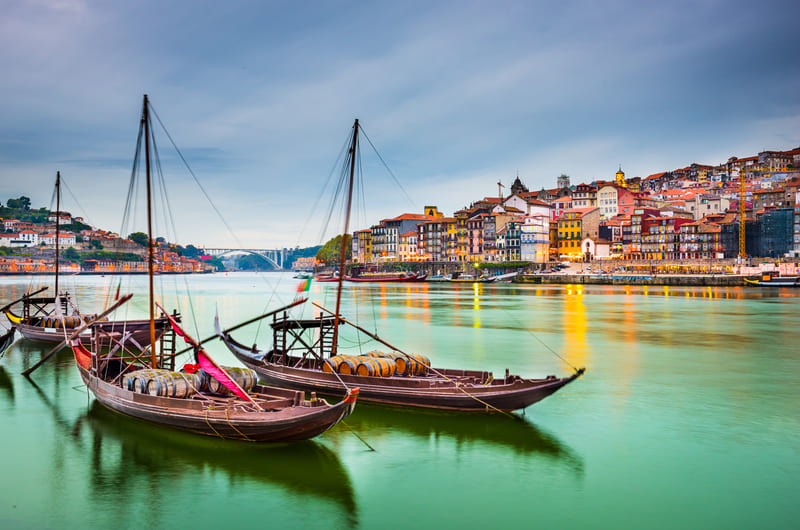
Lisbon's food scene provides another reason to linger. Fresh seafood, grilled sardines, bacalhau, cheeses, cured meats, pastries, and regional wines appear throughout restaurants and markets. Food tours and market visits can introduce travelers to both classic dishes and the contemporary creativity shaping Portuguese cuisine today. North of Lisbon, Porto offers a different atmosphere. The city rises above the Douro River in layers of colorful buildings, church towers, tiled façades, and historic streets. The Ribeira district is particularly picturesque, with restaurants and cafés overlooking the river and the iconic Dom Luís I Bridge.
Across the river in Vila Nova de Gaia, historic Port wine cellars introduce travelers to one of Portugal's most famous products. Tastings provide insight into the traditions behind Port while offering another connection to the Douro Valley, where grapes are cultivated along spectacular terraced hillsides.
A journey into the Douro Valley is one of Portugal's most scenic experiences. Vineyards follow the curves of the river, creating a landscape that can be explored by road, rail, or boat. Winery visits, tastings, and leisurely meals overlooking the valley offer an inviting way to appreciate the region's beauty and traditions.
Southern Portugal changes the scenery once again. The Algarve is known for golden beaches, dramatic cliffs, sea caves, charming towns, and warm Atlantic waters. Portimão provides access to some of the region's beautiful coastline, while nearby communities reveal historic streets, fishing traditions, local restaurants, and spectacular ocean views. Boat excursions are among the Algarve's most enjoyable activities, taking travelers along a coastline sculpted into arches, caves, secluded beaches, and towering rock formations. Those who prefer to remain on land can follow coastal walking trails, visit traditional towns, relax on the beach, or enjoy freshly caught seafood overlooking the Atlantic.
Madeira provides another fascinating Portuguese escape. Rising from the Atlantic Ocean, this beautiful island destination is known for dramatic mountains, lush gardens, coastal scenery, traditional villages, and distinctive cuisine. Funchal combines historic architecture, colorful markets, waterfront promenades, gardens, and restaurants with easy access to the island's extraordinary landscapes. Active travelers can follow Madeira's famous levada trails through forests and mountain scenery, while others may prefer scenic drives, botanical gardens, food and wine experiences, or relaxing beside the ocean. Madeira's year-round appeal makes it an inviting extension to a Portugal vacation.
Cuisine is one of the great pleasures of traveling through both Spain and Portugal. In Spain, tapas encourage diners to share a variety of dishes, turning a meal into a social occasion. Paella, jamón ibérico, manchego cheese, seafood, croquetas, tortilla española, and regional specialties reveal how dramatically the cuisine changes across the country. Portugal offers its own distinctive flavors, particularly seafood and dishes influenced by its long relationship with the Atlantic. Bacalhau appears in countless preparations, while grilled fish, octopus, hearty regional dishes, cheeses, pastries, and local specialties provide an enticing culinary journey from Lisbon and Porto to the Algarve and Madeira. Local markets provide an especially enjoyable introduction to everyday life in both countries. Stalls overflowing with produce, seafood, spices, cheeses, cured meats, flowers, pastries, and artisan products bring travelers closer to regional traditions. Cooking classes and food tours can deepen the experience, allowing visitors to understand the ingredients and techniques behind favorite dishes.
Wine traditions are equally diverse. Spain is home to celebrated regions producing distinctive reds, whites, sparkling wines, and sherries, while Portugal offers everything from Port and Douro wines to refreshing Vinho Verde and wines from regions across the country. Vineyard visits allow travelers to meet producers, explore beautiful countryside, and discover how local landscapes influence what appears in the glass.
The cultural traditions of Spain and Portugal bring additional color to the journey. Flamenco in Andalusia, Fado in Lisbon, religious festivals, traditional crafts, ceramics, music, dance, and regional celebrations remain important parts of local identity. Artisan shops reveal beautiful hand-painted tiles, pottery, leather goods, textiles, cork products, and other crafts connected to centuries of tradition.
Travelers looking for fun and adventure will find endless possibilities. Sailing along Barcelona's Mediterranean coast, joining a tapas tour in Madrid, attending a flamenco performance in Seville, exploring the Alhambra in Granada, or relaxing on the Costa del Sol can all become highlights of a Spanish vacation. In Portugal, travelers can ride a historic Lisbon tram, listen to Fado, cruise the Douro River, explore vineyards, hike Madeira's scenic trails, or take a boat excursion beneath the dramatic cliffs of the Algarve.
Spain and Portugal can be enjoyed in many different ways, and travelers do not need to experience every destination in one journey. One vacation might focus on Madrid, Andalusia, and the Costa del Sol, while another explores Barcelona and northern Spain. Portugal can be discovered through Lisbon and Porto, through the beaches and villages of the Algarve, or through an island escape to Madeira. Travelers can also combine carefully selected destinations from both countries for a broader introduction to the Iberian Peninsula.
What makes Spain and Portugal so rewarding is their ability to combine celebrated landmarks with the pleasures of everyday life. A morning may be spent inside an extraordinary palace or cathedral, followed by an afternoon wandering through a market, relaxing at a café, or exploring a waterfront neighborhood. Evenings invite travelers to slow down over dinner, music, conversation, and regional flavors.
From the artistic treasures of Madrid and the imaginative architecture of Barcelona to the Andalusian spirit of Seville and Granada, Spain offers history, culture, cuisine, and unforgettable landscapes at every turn. Portugal complements these experiences with Lisbon's atmospheric streets, Porto's riverside beauty, the vineyards of the Douro, the Algarve's spectacular coastline, and Madeira's natural wonders.
Together or separately, Spain and Portugal offer an extraordinary invitation to explore the Iberian Peninsula. Rich history, welcoming cities, beautiful beaches, distinctive cuisine, celebrated wines, local traditions, and memorable activities create vacations that can be shaped around culture, relaxation, romance, food, adventure, or discovery. Every journey reveals another side of these remarkable countries and another reason to return.