 Egypt
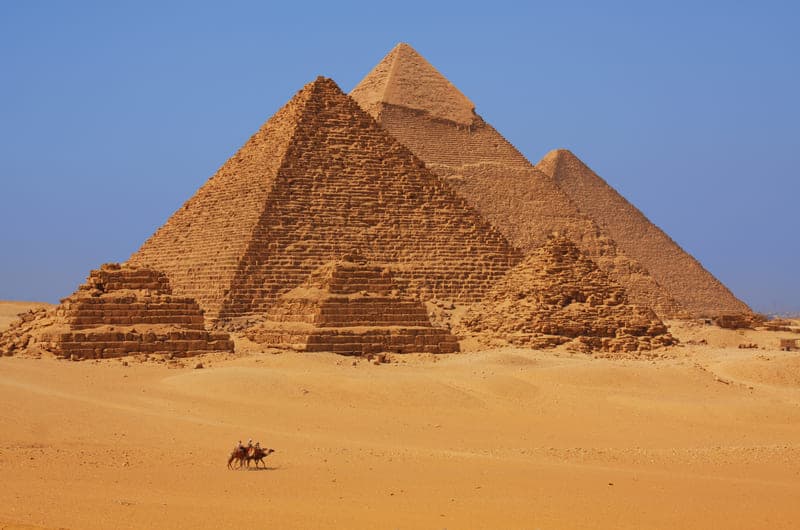
EgyptJust beyond the shadow of the Great Pyramids of Giza, a new landmark is reshaping Egypt’s cultural landscape: the Grand Egyptian Museum (GEM). This monumental project, decades in the making, is not just another museum but a bridge between past and present, designed to celebrate Egypt’s ancient legacy while embracing the future. Rising from the desert like a modern architectural wonder, GEM redefines how history is preserved, presented, and experienced, offering visitors an encounter with antiquity that is both vast in scope and deeply personal in impact.
The Grand Egyptian Museum is set to be the world’s largest archaeological museum, housing over 100,000 artifacts that span more than 5,000 years of history. Its mission goes beyond preserving relics; it seeks to tell the story of one of the greatest civilizations on earth in new, engaging ways. For Egypt, the GEM is more than a cultural project—it is a national symbol, reflecting pride, heritage, and a commitment to share its treasures with the world. The museum’s strategic location, just two kilometers from the Giza Plateau, situates it at the heart of Egypt’s most iconic landscape, creating a seamless dialogue between the ancient wonders of the pyramids and the modern grandeur of GEM.
Perhaps the greatest highlight of GEM is its unparalleled collection dedicated to Tutankhamun. For the first time in history, all of the boy king’s treasures—more than 5,000 objects—will be displayed together in a single space. This immersive presentation allows visitors to walk through the life and afterlife of the pharaoh as envisioned by his people more than 3,000 years ago. From his iconic golden mask to everyday items meant to accompany him in eternity, the collection provides an intimate portrait of the young ruler and the world he inhabited. Standing in these galleries is like stepping back into history, an encounter with ancient Egypt that feels astonishingly alive.
The museum is not simply about displaying artifacts; it is about storytelling. Each gallery has been designed to present objects within a broader historical, cultural, and social context. Visitors move through chronological and thematic sections that trace Egypt’s journey from its earliest dynasties to the height of pharaonic power, through the Greco-Roman period, and into the country’s enduring cultural traditions. Interactive technology, immersive design, and carefully curated narratives transform ancient relics into vivid stories, ensuring that the experience resonates not only with scholars but also with casual travelers and families.
The opening of GEM marks a pivotal moment for Egypt’s cultural tourism. Already home to some of the world’s most famous monuments, Egypt now offers a new reason for travelers to return and rediscover its treasures. The museum’s scale and ambition place it among the great cultural landmarks of the world—standing alongside the Louvre in Paris or the British Museum in London—but with the distinctive advantage of showcasing artifacts within their authentic geographical and historical context. Visitors who journey to GEM are not only seeing history on display; they are standing at the very site where much of that history unfolded.
To wander through the Grand Egyptian Museum is to embark on a journey across millennia. Each gallery, each artifact, each carefully designed space invites reflection on humanity’s achievements, creativity, and enduring quest for meaning. Whether marveling at the treasures of Tutankhamun, pausing before a colossal pharaonic statue, or gazing out toward the pyramids, visitors experience Egypt’s cultural legacy in a way that feels both timeless and immediate.
The Grand Egyptian Museum is more than a destination; it is a celebration of civilization itself. It promises not just a visit, but an unforgettable journey into the heart of human history—one that will leave every traveler with a deeper appreciation for the wonders of Egypt and the stories that continue to shape our world.