 Malta
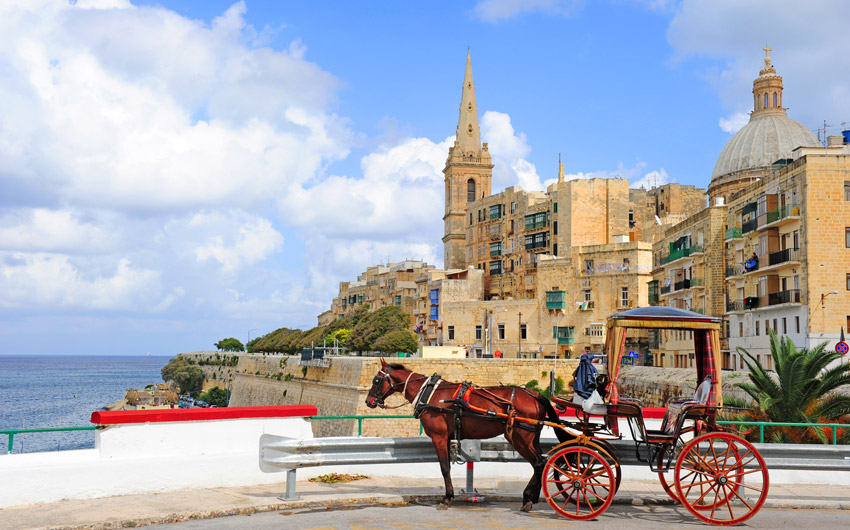
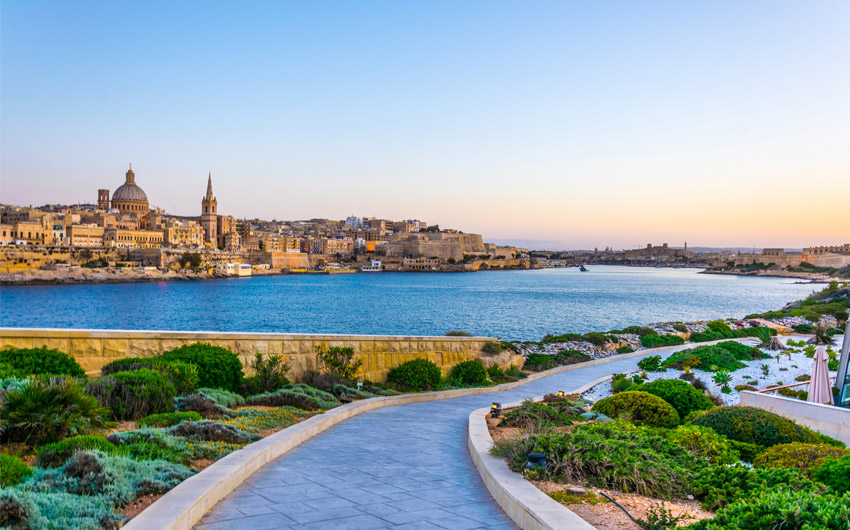
MaltaNestled in the heart of the Mediterranean, Malta is a small island with a vast and layered history. Its past is shaped by centuries of conquests, religious devotion, and cultural fusion, making it a fascinating destination for travelers and historians alike. Central to Malta’s story is the legacy of the Knights of St. John, a military and religious order that played a crucial role in shaping the island’s identity. After being forced to leave their previous base in Rhodes, the knights arrived in Malta in 1530 and began fortifying the island against external threats. Over time, they constructed formidable defenses, including the impressive city of Valletta and strongholds like Fort St. Angelo, transforming Malta into one of the most strategic outposts in the Mediterranean.
Beyond its military significance, Malta is deeply rooted in religious tradition. The island is home to an extraordinary number of churches—one for every day of the year—each serving as the heart of its respective community. Perhaps the most magnificent of them all is St. John’s Co-Cathedral in Valletta, an architectural masterpiece that houses breathtaking works of art, including Caravaggio’s dramatic depiction of The Beheading of Saint John the Baptist. Throughout the year, Maltese towns come alive with festas, lively religious celebrations filled with processions, fireworks, and feasts, demonstrating the enduring faith and cultural vibrancy of the Maltese people.
Malta’s connections extend far beyond its shores, linking it to other Mediterranean islands such as Rhodes, Crete, and Patmos. Before settling in Malta, the Knights of St. John established their stronghold in Rhodes, and the influence of the Eastern Mediterranean can still be seen in Maltese architecture, religious traditions, and even linguistic traces. The sacred island of Patmos, where Saint John is believed to have written the Book of Revelation, shares a spiritual connection with Malta, reinforcing the island’s role as a place of faith and pilgrimage. Additionally, centuries of trade and seafaring with Crete and other Greek islands have intertwined their histories, fostering a blend of artistic and cultural influences that continue to shape Malta’s identity.
From its fortified cities and grand cathedrals to its deep-rooted ties with the broader Mediterranean world, Malta stands as a testament to centuries of resilience, faith, and cultural exchange. Whether exploring its ancient streets or witnessing its vibrant traditions, visitors can uncover a history as dynamic as the island’s breathtaking landscapes.