 Spain
SpainThe Mediterranean is a region where food carries the full story of its people, a place where tradition meets the table in vibrant expressions of flavor, heritage, and shared joy. Travelers who wander through its sun drenched coastlines and ancient cities quickly discover that each destination has a culinary identity shaped by centuries of history and the natural bounty of the sea. The Mediterranean invites its visitors to savor meals that are more than recipes. They are memories preserved by generations, dishes refined with patience, and ingredients born from landscapes that have nurtured civilizations. Exploring this flavorful arc from Italy to Malta, Spain, and southwest France is an immersion into a world where culture and cuisine are inseparable.
The feast begins in Naples, a city whose culinary fame needs no introduction. Naples is alive with the aromas of bubbling pizza baked in wood fired ovens, tangy tomatoes grown in the rich volcanic soil of Mount Vesuvius, and seafood pulled fresh from the Bay of Naples. The streets hum with espresso machines, market vendors, and kitchens that honor traditions that have defined life in southern Italy for centuries. Here, pizza is not only a meal but an emblem of culture. Its thin, blistered crust and simple toppings speak to the Neapolitan belief that the best foods rely on quality ingredients and a generous spirit. Fried seafood cones, creamy sfogliatella pastries, and bold Neapolitan coffee complete the sensory experience of a city where every flavor tells a story.
Journey southward across the Mediterranean to the island of Malta, a jewel shaped by waves of cultural influence. Valletta’s kitchens reflect the island’s position at the crossroads of Europe and North Africa. Maltese cuisine blends rustic Mediterranean elements with spices and techniques introduced by centuries of seafarers, knights, and traders. Olive oil, garlic, tomatoes, and capers form the backbone of traditional dishes. Rabbit stew remains a national favorite, simmered slowly until tender and rich. Octopus stew, stuffed pastries, fresh fish, and hearty soups highlight the island’s love of simple comforts elevated by bold flavors. Malta’s wines, grown in volcanic soil, offer a striking complement to its cuisine, carrying subtle mineral notes that echo the island’s dramatic landscape. Dining in Valletta is a sensual celebration of sunlight, sea breeze, and the island’s layered cultural identity.
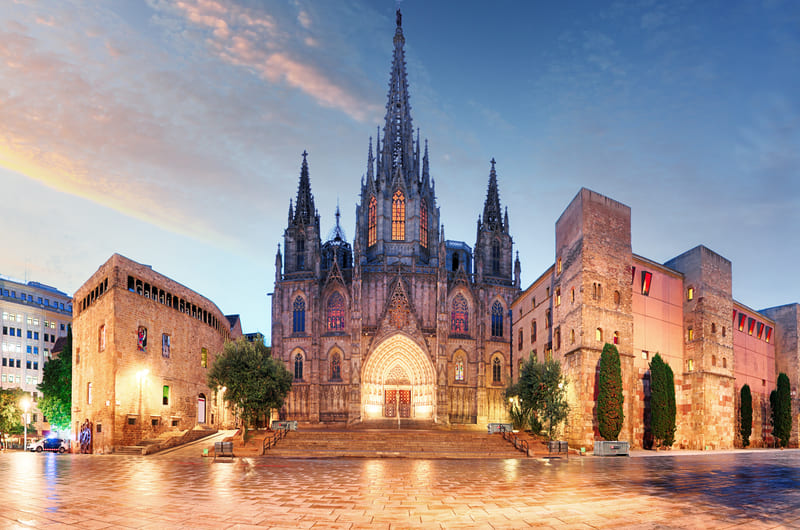
Continue west along the Mediterranean to Barcelona, where food becomes a lively dialogue between old and new. The city’s tapas culture encourages exploration and conversation, with locals and visitors gathering around small plates that capture the essence of Catalan cuisine. Markets like La Boqueria spill over with colorful produce, fragrant spices, and seafood displayed like edible art. Plates of jamón carved paper thin, smoky escalivada made from roasted peppers and eggplant, and fresh anchovies dressed in olive oil reflect Barcelona’s devotion to honest ingredients. Paella served by the seaside remains a beloved tradition, its saffron hued rice infused with the flavors of shellfish, vegetables, and the Mediterranean itself. Paired with a chilled glass of cava, this coastal dish embodies the spirit of Catalonia, lively and soulful with every bite.
The journey ventures from Spain into the southwestern regions of France, where the Mediterranean influence blends gracefully with French gastronomic heritage. Though Bordeaux sits slightly inland, its vibrant food culture is shaped by the proximity of the Atlantic, the fertile countryside, and the centuries old traditions that define French cuisine. Travelers find themselves surrounded by rolling vineyards that produce world renowned wines. These bold reds and elegant whites pair beautifully with regional dishes that rely on quality, patience, and technique. In Carcassonne, visitors encounter cassoulet, a signature dish that simmers slowly with beans, sausage, and duck until it transforms into a comforting masterpiece. Carcassonne’s medieval walls and cobbled streets heighten the sense of stepping into a world where history and culinary craft intertwine seamlessly.
A journey into Sarlat in the Dordogne region reveals another layer of southwest France’s culinary charm. Markets burst with earthy truffles, duck confit, walnuts, foie gras, figs, and mushrooms. The aromas of sizzling duck fat and freshly baked bread fill the air as visitors meander through medieval lanes lined with honey colored stone houses. Every meal feels rooted in tradition. Sarlat’s cuisine reflects a deep respect for the land and its seasons, celebrating nature’s abundance in dishes that have been perfected across generations.
Throughout the Mediterranean, dining is never just a functional act. It is a moment to gather, share, and celebrate the joy of simply being together. The region is known for long meals enjoyed at tables shaded by greenery, lively conversation drifting across terraces, and families lingering over courses that unfold patiently. Ingredients are treated with reverence, whether they come from the sea, the earth, or the vineyard. Olive oil is treasured. Herbs are used with intuition. Simple grains and legumes become soulful staples. The Mediterranean way of eating has long promoted balance and sustainability, values deeply woven into the identity of its people.
Festivals offer glimpses into how strongly food is connected to culture. In Naples, feast days honor saints with sweets and street foods that fill neighborhoods with festivity. In Malta, seasonal pastries and artisanal breads emerge during holidays that reflect centuries old customs. Barcelona bursts with celebrations that unite communities through shared meals and traditional dishes. The food festivals of southwest France showcase the region’s pride in truffles, duck, and fine wines. Visitors often find themselves welcomed into these traditions even as outsiders, discovering that the Mediterranean table has room for everyone.
Traveling through the Mediterranean is a journey defined by flavor, history, and hospitality. The region’s food is shaped by the land and the sea, by centuries of migration and trade, by families who pass down wisdom through their cooking. From Naples to Malta, Barcelona to Bordeaux, Carcassonne, and Sarlat, each destination reveals part of a larger story that continues to unfold at the table. The feast is ongoing. The conversation is lively. The flavors are unforgettable.