 Egypt
EgyptIn the heart of summer 2027, the heavens will perform a spectacle above one of the most legendary landscapes on Earth. On August 2, 2027, a total solar eclipse will sweep across Luxor, the ancient city that has stood for millennia as the world’s largest open-air museum. For a few brief minutes, the sun will vanish behind the moon, and the golden light of Egypt will dim into an otherworldly twilight. Picture the temples of Karnak draped in an ethereal glow, the shadows deepening across hieroglyph-covered walls, as if the ancient stones themselves are pausing to witness the cosmic drama. This is no ordinary astronomical event—it is a once-in-a-lifetime alignment where history, nature, and wonder meet in perfect harmony.
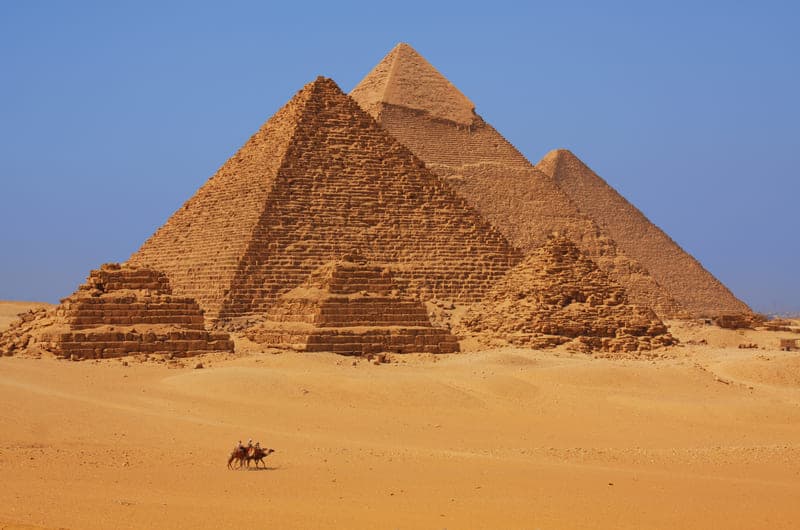
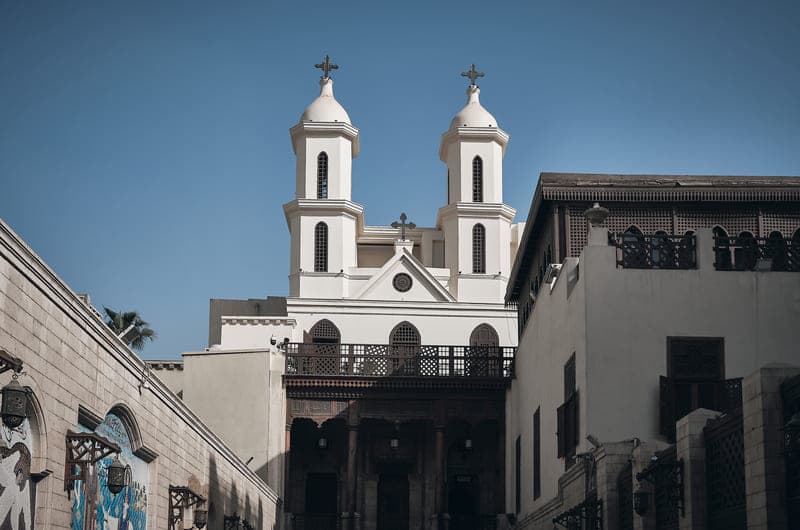
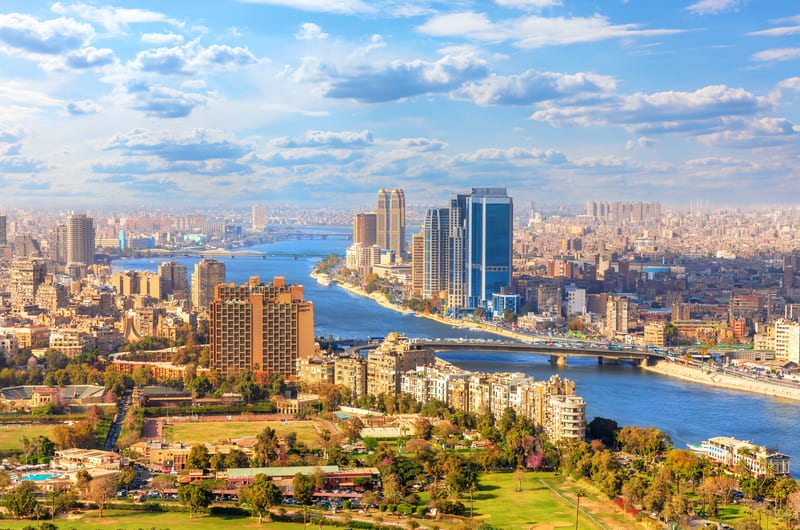
Your journey begins in Cairo, a city where the past and present intermingle in a vivid tapestry. Here, the Pyramids of Giza rise from the desert like eternal sentinels, their geometry defying time and their presence stirring the imagination. Nearby, the Sphinx—its enigmatic gaze unchanged for thousands of years—stands watch over the plateau, silently guarding the secrets of the pharaohs. Within the vast halls of the Grand Egyptian Museum, you will wander among the treasures of antiquity: Tutankhamun’s gleaming mask, colossal statues, and delicate artifacts that speak of an age when Egypt was the world’s crown jewel. Beyond the museum, Cairo offers more wonders: the imposing Citadel of Saladin, with sweeping views over the city, and the atmospheric lanes of Old Cairo, where centuries-old mosques, churches, and bazaars weave an intricate portrait of Egyptian heritage. Each evening, you will return to your Nile-view suite in a luxurious five-star hotel, watching the river shimmer in the soft light of dusk as feluccas drift lazily past.
From Cairo, a short flight carries you south to Aswan, where your adventure takes to the water. Waiting at the quay is the M/S Mojito, your floating palace for the next seven nights. This elegant Nile cruiser will become your home as you drift along the lifeblood of Egypt, tracing a route that has connected temples, cities, and civilizations for more than five thousand years. Along the way, palm groves sway in the breeze, fishing boats bob on the current, and the golden light of late afternoon turns the river into a ribbon of molten bronze.
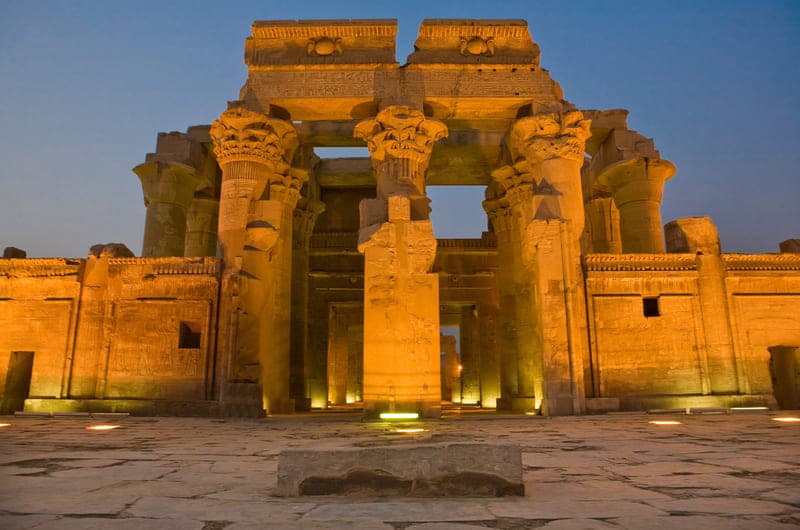
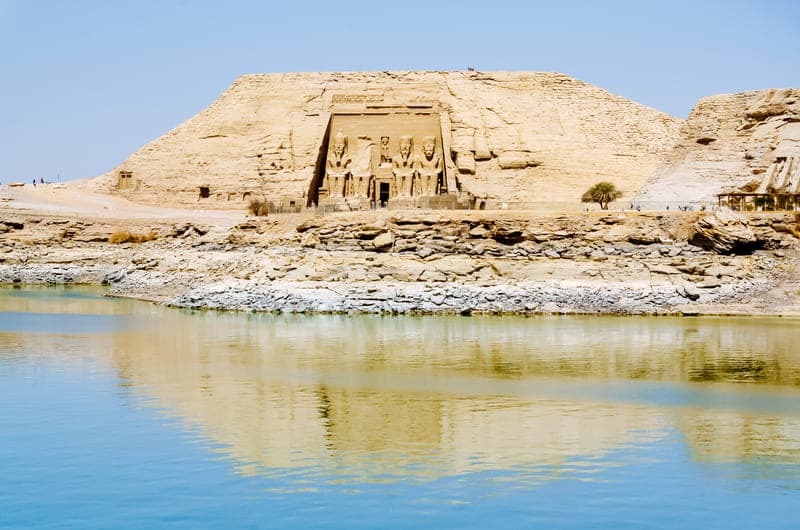
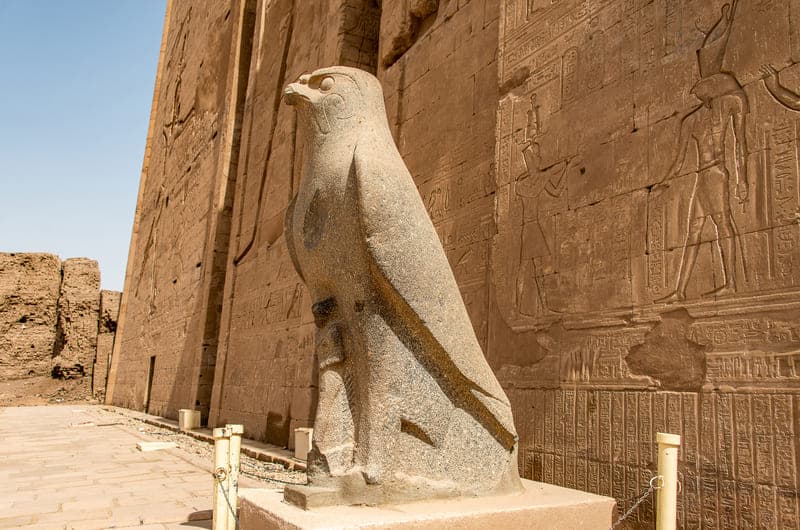
Each day on the Nile brings new marvels. You will stand beneath the soaring columns of the Philae Temple, dedicated to the goddess Isis and set on its own island like a jewel in the river. At Kom Ombo, the unique twin temple honors two sets of gods, its carvings revealing scenes of ancient medicine and ritual. In Edfu, you will feel the silent power of Horus, the falcon-headed god, whose temple is among the best-preserved in all of Egypt. The journey can also take you deeper, should you choose—an optional excursion to the monumental temples of Abu Simbel, relocated stone by stone to escape the rising waters of Lake Nasser, offers one of the most awe-inspiring sights in the ancient world.
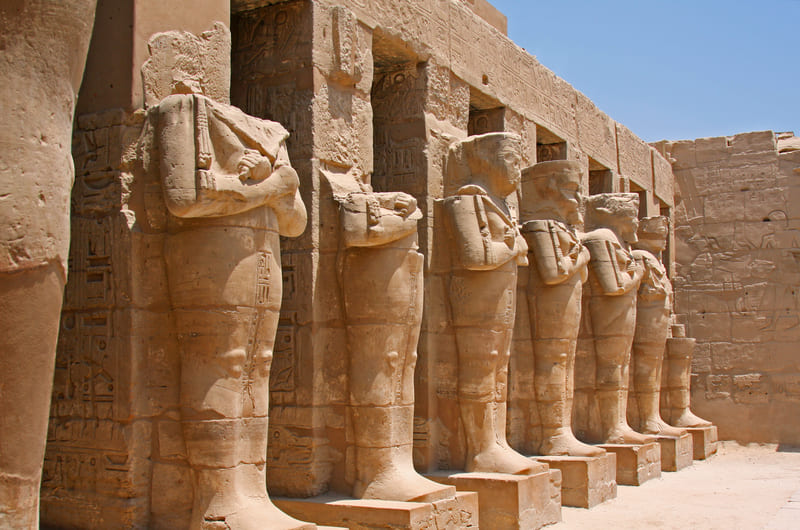
And then comes the day for which this journey was made—Eclipse Day. In Luxor, where the Nile divides the city between the temples of the living and the tombs of the dead, you will be in the perfect position for an exclusive, professionally curated viewing of the total solar eclipse. Experts will be on hand to guide your eyes and minds, offering insight into the celestial mechanics at play while ensuring you have specialized viewing equipment to witness the spectacle safely. Slowly, the light will dim, the air will cool, and a hush will fall over the land. The last sliver of sunlight will vanish, and for a few haunting minutes, the day will transform into night. The stars will emerge above the towering columns of Karnak, the corona of the sun blazing around the silhouette of the moon—a cosmic crown over Egypt’s eternal monuments.
When the light returns, the experience will feel dreamlike, as though the heavens themselves had opened briefly to share a secret. You will know you have witnessed something rare, not only in the scientific sense but in the way it intertwines with the grandeur of Egypt’s history. For ancient civilizations, such events carried great meaning; to stand in their footsteps while seeing the same sky is to connect across thousands of years in a way words can barely describe.
The journey doesn’t end with the eclipse. Over the next days, you’ll explore the treasures of Luxor—the sprawling Temple of Karnak, the elegant Temple of Luxor illuminated at night, and the Valley of the Kings, where the tombs of pharaohs lie painted with scenes meant to guide them through the afterlife. On the west bank, the Colossi of Memnon stand guard over the fields, just as they have since the reign of Amenhotep III. Every site visited adds another layer to your understanding of Egypt, each monument another chapter in the story of a civilization that has shaped human history.
In just eleven days, you will have crossed the breadth of Egypt’s wonders. You will have wandered among the most famous monuments in the world, sailed on the timeless waters of the Nile, and stood under a sky transformed by forces beyond imagining. It is more than a trip—it is a celestial pilgrimage, one that offers not only the beauty of Egypt’s landscapes and monuments but also the profound, humbling experience of watching the universe perform its rarest ballet.
When you return home, your suitcase will hold souvenirs, but your heart will carry something far rarer: the memory of Egypt under an eclipse’s spell, a moment when earth, moon, and sun aligned over the land of the pharaohs, and you were there to witness it.